In today’s world, home security has become a critical priority for homeowners everywhere. With rising concerns about theft, break-ins, and cyber threats, investing in reliable Home Security measures is essential. Yet, despite the growing awareness, many myths and misconceptions about home security persist. These myths can prevent homeowners from taking the right precautions or lead them to make costly mistakes. Understanding the reality behind home security can empower you to make informed decisions that truly protect your home and loved ones. This article dives deep into the most common home security myths, separating fact from fiction and providing actionable insights to enhance your protection strategy.
Myth 1: Burglars Only Target Expensive Homes
A prevalent misconception is that only wealthy or high-profile households are at risk of burglary. In reality, statistics show that burglars often target homes based on opportunity rather than the value of possessions. They look for easy access, poorly secured entrances, and predictable routines. Even modest homes with minimal security can become attractive targets if criminals perceive vulnerabilities. Assuming that a home is safe simply because it lacks luxury items can lead to complacency. Effective home security relies on a comprehensive approach, including strong locks, monitored alarm systems, and thoughtful lighting, rather than assumptions about wealth or status.
Myth 2: Security Systems Are Too Expensive
Another widespread myth is that professional home security systems are prohibitively expensive. While advanced systems can carry high upfront costs, the market now offers a range of affordable solutions that provide excellent protection without breaking the budget. DIY smart security devices, including cameras, door sensors, and alarms, are accessible and effective for most homeowners. Moreover, investing in home security often pays off in the long term by deterring crime, reducing insurance premiums, and protecting valuable assets. Framing security as a preventative investment rather than a luxury expense is key to understanding its true value.
Myth 3: Only Active Alarms Prevent Break-Ins
Many homeowners assume that having an alarm system automatically prevents burglaries. While alarms are a crucial component of home security, they are most effective when paired with visible deterrents such as security cameras, motion-activated lights, and neighborhood awareness. Criminals often avoid homes that appear difficult to access or monitored, even before triggering an alarm. A comprehensive home security strategy combines passive deterrents, proactive monitoring, and responsive technology to maximize protection. Relying solely on audible alarms is insufficient in today’s sophisticated threat landscape.
Myth 4: Smart Home Devices Are Not Secure
With the rise of smart homes, concerns about cyber vulnerabilities have fueled myths suggesting that smart security devices compromise safety. While it is true that poorly configured devices can be exploited, modern smart home security systems implement robust encryption, two-factor authentication, and software updates to maintain safety. The real risk lies in neglecting proper setup and maintenance rather than using smart devices themselves. Properly managed, smart cameras, locks, and sensors enhance home security by offering real-time monitoring, remote access, and automated alerts that traditional systems cannot match.
Myth 5: Neighborhood Watch Programs Alone Are Enough
Community-based programs like neighborhood watch initiatives are often seen as sufficient for home security. While these programs foster awareness and cooperation, they cannot replace professional security measures. Criminals may bypass passive monitoring networks, and delayed reporting can reduce response effectiveness. The most effective approach combines active community involvement with technology-driven home security systems. Visible cameras, alarms, and lighting complement neighborhood efforts, creating a layered defense that significantly lowers the risk of intrusion.
Myth 6: Locked Doors Are All You Need
Locking doors and windows is a basic step in home security, but relying on locks alone is dangerously simplistic. Modern burglars use various techniques to bypass physical barriers, including lock picking, bumping, and even exploiting weak door frames. Integrating locks with reinforced doors, security cameras, motion sensors, and alarm systems ensures a more resilient defense. The goal of home security is not just to delay an intruder but to discourage attempts altogether and alert homeowners and authorities in real-time.
Myth 7: You Don’t Need Security if You Live in a Safe Area
Many homeowners assume that living in a low-crime area eliminates the need for home security. While location matters, crime can occur anywhere, and complacency increases vulnerability. Opportunistic burglars may target homes in neighborhoods perceived as safe because they expect residents to be unprepared. Effective home security is about reducing risk, not just reacting to crime statistics. Even in safe areas, measures like smart cameras, monitored alarms, and secure entry points provide peace of mind and protection against unforeseen threats.
Myth 8: Security Cameras Are Only Useful for Evidence
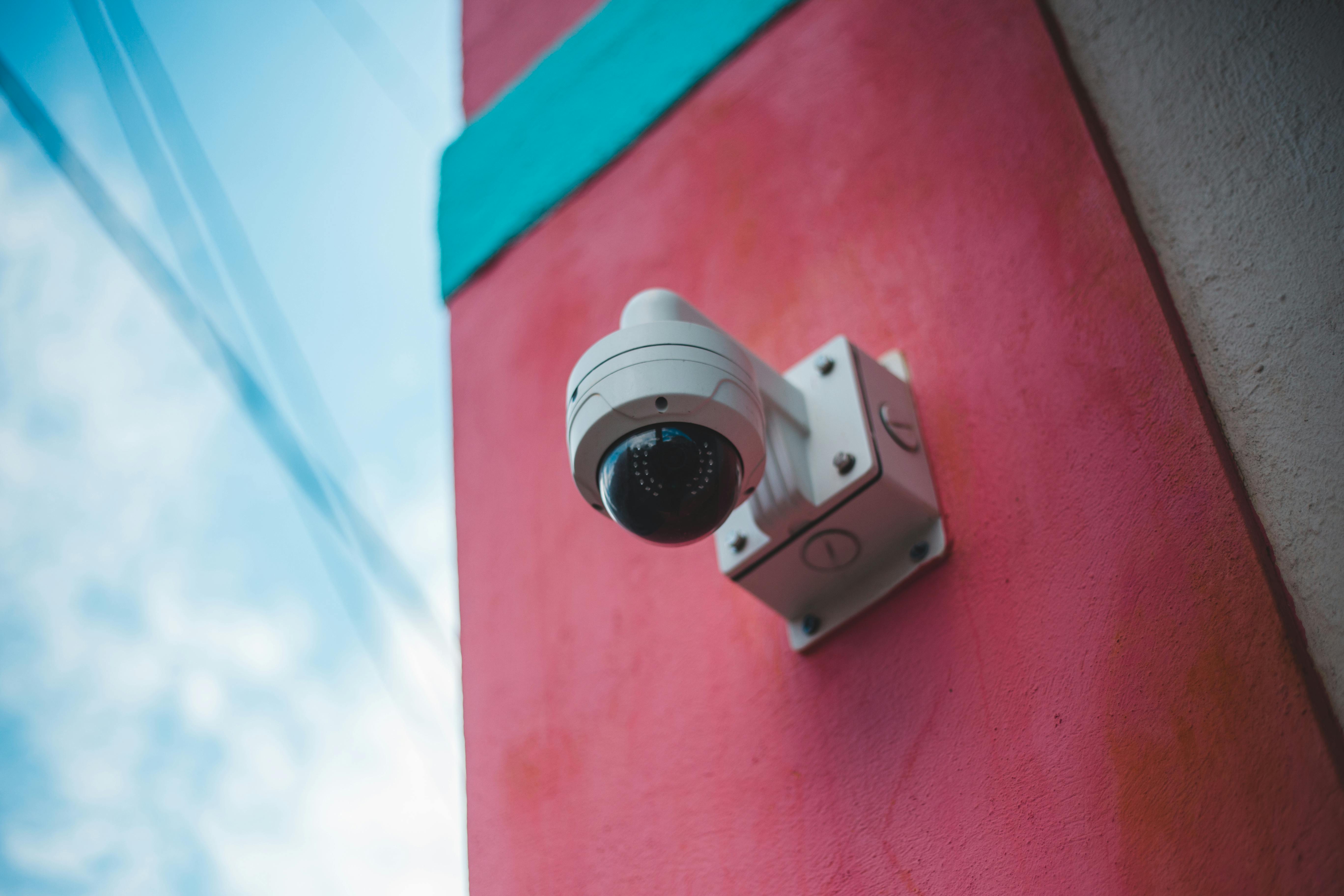
Some homeowners believe that cameras are only valuable after a break-in occurs. In reality, visible security cameras serve as powerful deterrents. Criminals are less likely to target homes where their actions can be recorded, increasing the likelihood that they will abandon attempts before entry. Modern home security cameras also offer real-time monitoring, mobile alerts, and cloud storage, allowing homeowners to intervene quickly and prevent incidents rather than merely documenting them. Treating cameras as a proactive component of home security maximizes their protective potential.
Myth 9: Alarm Systems Are Always Reliable
Alarm systems are widely trusted, but they are not infallible. False alarms, technical malfunctions, and delayed responses can occur. Overreliance on alarms without supplementary security measures creates a false sense of safety. Effective home security requires redundancy. Combining alarms with physical barriers, smart monitoring, and community vigilance ensures comprehensive coverage. Understanding the limitations of any single system reinforces the importance of a layered defense strategy.
Myth 10: DIY Security Is Inferior to Professional Systems
A common misconception is that DIY home security systems are less effective than professionally installed alternatives. While professional systems offer advanced features, DIY setups have improved significantly, providing robust, customizable, and user-friendly solutions. Many modern DIY devices integrate with smart home ecosystems, offer remote monitoring, and feature professional-grade encryption. When properly installed and maintained, DIY home security solutions can match the effectiveness of professional systems while offering flexibility and cost savings.
Myth 11: Security Measures Reduce Home Value
Some homeowners fear that investing in home security will negatively impact resale value. In truth, a well-secured home often appeals to buyers by offering safety, convenience, and peace of mind. Security cameras, smart locks, and alarm systems are increasingly seen as desirable amenities. Integrating home security discreetly and aesthetically ensures that your home retains its visual appeal while enhancing its functional value. Far from reducing value, thoughtful security upgrades can make a property more marketable.
Myth 12: Motion Sensor Lights Are Unnecessary
Motion sensor lights are sometimes dismissed as optional. However, they play a critical role in home security by deterring intruders and increasing visibility. Unexpected illumination can startle criminals, drawing attention and reducing the likelihood of successful break-ins. Modern systems allow integration with cameras and alarms, creating a responsive home security environment. Lights are more than convenience—they are a tactical tool in the broader strategy to protect your home.
Myth 13: Security Systems Are Complicated to Use
A frequent concern is that home security systems are complex and difficult to manage. While early systems may have been cumbersome, contemporary devices prioritize user experience with intuitive interfaces, smartphone apps, and voice control. Homeowners can now monitor, arm, or disarm systems remotely, review footage instantly, and receive real-time alerts effortlessly. The sophistication of modern home security systems no longer comes at the expense of usability, making it accessible for households of all technological skill levels.
Myth 14: Insurance Alone Is Sufficient Protection
Some believe that home insurance substitutes for active home security measures. While insurance can provide financial relief after theft or damage, it does not prevent break-ins or ensure personal safety. Active security measures are essential to reduce risks and protect both property and occupants. Home security systems complement insurance by preventing incidents, minimizing loss, and providing evidence to support claims when necessary.
Myth 15: Small Changes Don’t Matter
Finally, there is a myth that minor improvements, like trimming bushes or reinforcing doors, are insignificant. In reality, small adjustments often make a substantial difference. Removing hiding spots, securing entry points, and maintaining visibility enhances overall home security and creates a less appealing target for criminals. Cumulatively, these small measures contribute to a layered, proactive defense strategy that is far more effective than relying solely on technology or single-point solutions.
Conclusion
Understanding and debunking home security myths is essential for safeguarding your home effectively. Myths about expense, location, technology, or simplicity can leave homeowners vulnerable if taken at face value. By recognizing the reality of security threats and adopting a layered, proactive approach, you can create a safe environment that protects your family, property, and peace of mind. Investing in home security is no longer a matter of luxury but a practical necessity. Combining physical measures, smart devices, monitoring systems, and community awareness ensures that your home is resilient against both traditional and modern threats. Prioritizing informed decisions over misconceptions enables you to make the most of your security strategy and enjoy lasting protection. For further information, please visit our main page.
Frequently Asked Questions (FAQs)
What is the most effective home security measure?
The most effective home security approach combines multiple layers: strong locks, security cameras, motion-activated lighting, monitored alarm systems, and neighborhood vigilance. No single measure is sufficient on its own, but together they create a robust deterrent and protection strategy.
Are smart home security devices safe from hacking?
Yes, when configured and maintained properly. Modern smart devices use encryption, regular software updates, and two-factor authentication to protect against cyber threats. The key is following manufacturer guidelines and updating devices consistently.
Do I really need a security system if I live in a low-crime area?
Yes. Crime can occur anywhere, and even low-crime neighborhoods are not immune to opportunistic burglaries. Investing in home security ensures protection against unforeseen risks and provides peace of mind for homeowners and their families.
Can DIY home security systems be as effective as professional ones?
Absolutely. Modern DIY systems are robust, customizable, and integrate seamlessly with smart home technology. When installed correctly, they offer professional-level protection, flexibility, and cost savings compared to traditional systems.
Will installing home security increase my home’s value?
Yes, in most cases. Buyers often view well-secured homes as safer and more desirable. Security features, when integrated thoughtfully, enhance both the functional and resale value of your property.