
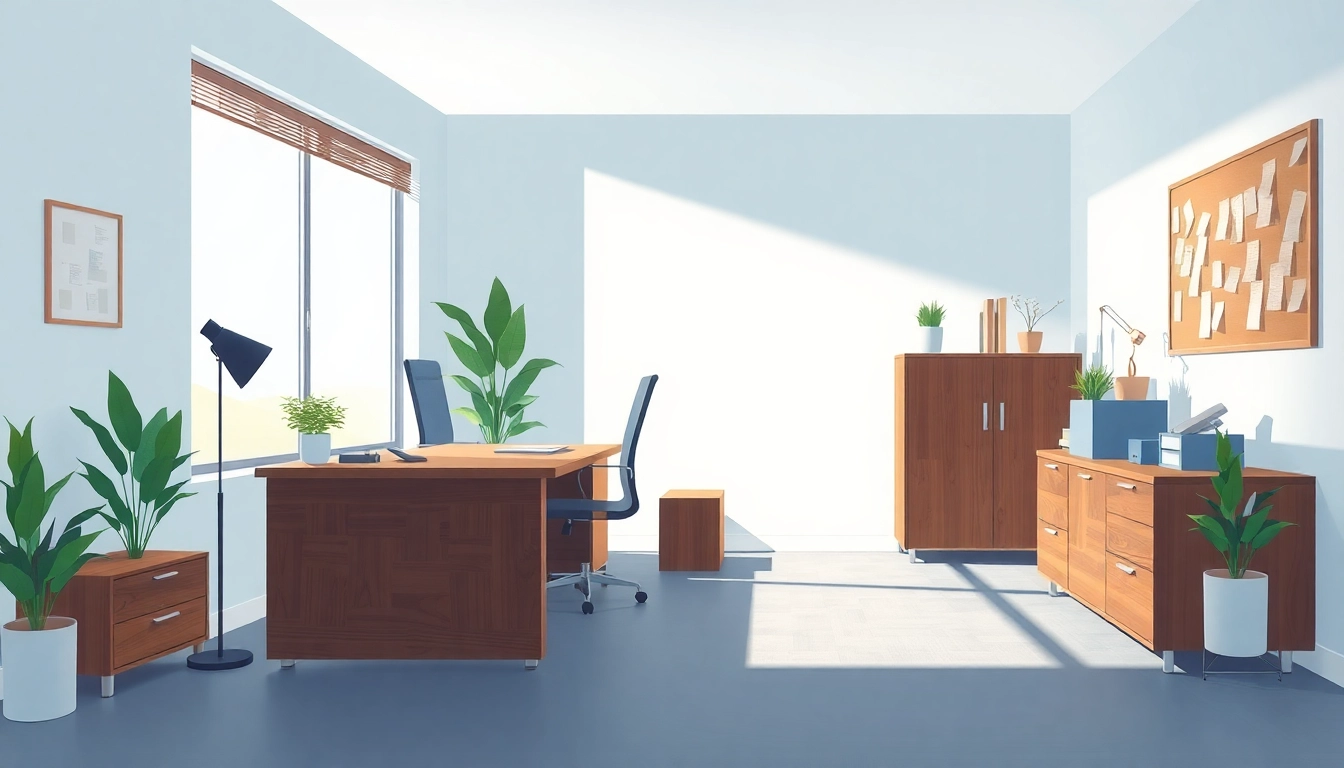
Understanding Office Furniture Essentials
Office furniture is more than merely a necessity; it is the backbone of a productive workspace. From ergonomic office desks to aesthetic storage solutions, the right furniture can significantly influence workflow, employee morale, and even health. Understanding what constitutes quality office furniture is essential for building a workspace that fosters productivity and well-being. To explore a wide selection of office furniture, it’s crucial to assess various fundamental factors that ensure durability and functionality.
What Defines Quality Office Furniture
Quality office furniture is marked by several defining characteristics:
- Durability: High-quality materials such as hardwood or commercial-grade metal ensure longevity.
- Ergonomics: Proper design minimizes physical strain, promoting comfort and health.
- Versatility: Adaptable furniture can accommodate various office layouts and needs.
- Style: Aesthetic appeal contributes to the overall environment, influencing mood and productivity.
To truly understand these aspects, one must consider the materials used in construction, the ergonomic features of the pieces, and how they fit within the overall design of the workspace.
Choosing the Right Office Furniture for Your Space
Choosing the right office furniture involves evaluating the needs of the employees, the design of the office space, and the company's culture. Consider the following points:
- Employee Needs: Engage with employees to identify their preferences, especially regarding ergonomic solutions.
- Office Layout: Consider the flow of the office space; open plans may benefit from communal desks, while closed offices might require private cubicles.
- Company Culture: The furniture should reflect the organization’s ethos—modern and sleek for tech companies; traditional for corporate environments.
Moreover, measuring the space available for each piece of furniture ensures that the office remains open and functional without overcrowding.
Impact of Office Furniture on Employee Well-Being
The right office furniture plays a critical role in enhancing employee well-being. Several studies have shown that ergonomic designs reduce the risk of musculoskeletal injuries, leading to decreased absenteeism and healthcare costs. Additionally, an aesthetically pleasing workspace can boost mood and motivation.
Ensuring that furniture matches the functional needs leads to a more productive workforce. Environments that support teamwork through collaborative spaces, or that cater to individual work preferences, enhance overall employee satisfaction.
Types of Office Furniture You Need
Essential Office Furniture: Desks and Chairs
Desks and chairs are the cornerstones of any office furniture setup. Here’s what to consider:
Desks: Opt for desks that offer ample workspace and are adjustable if possible. Standing desks have gained popularity as they promote better posture.
Chairs: Invest in ergonomic chairs that provide lumbar support, adjustable height, and breathable material for comfort during long working hours.
Storage Solutions and Filing Systems
Organization is essential for productivity. Effective storage solutions include:
- Filing Cabinets: Secure storage for important documents helps maintain order.
- Bookshelves: Useful for both storage and display, they can personalize the workspace.
- Mobile Carts: Versatile solutions that can be moved around for flexible use.
Strategically integrating storage solutions into the workspace minimizes clutter and enhances visual appeal.
Collaborative Office Furniture for Team Spaces
Modern workspaces place a high emphasis on collaboration. To facilitate teamwork, integrate:
- Conference Tables: Spaces equipped with large tables encourage brainstorming sessions.
- Modular Seating: Flexible seating arrangements can adapt to varying group sizes.
- Whiteboards or Collaborative Boards: These tools promote interaction and creativity among team members.
By fostering collaboration, companies can enhance creativity and boost employee engagement.
Designing a Functional Workspace with Office Furniture
Layout Strategies for Your Office Furniture
Effective layout strategies contribute to maximizing the potential of office furniture. Here are some considerations:
- Traffic Flow: Ensure that pathways are clear and furniture arrangement allows easy movement.
- Zoning: Define areas for specific activities—quiet zones, collaborative spaces, and leisure zones.
- Privacy: Incorporate elements like partitions or hoods for personal workspaces.
These strategies can significantly improve efficiency and comfort within the workspace.
Color Schemes and Aesthetics with Office Furniture
The color scheme of office furniture can affect employee mood and productivity. A well-thought-out palette may include:
- Neutral Tones: Create a calm and professional environment.
- Accent Colors: Used strategically to invigorate spaces, encouraging creativity and innovation.
- Natural Materials: Promote an inviting atmosphere through the use of wood or plants.
Integrating thoughtful aesthetics fosters a more engaging workspace.
Incorporating Technology into Office Furniture Design
As technology evolves, so should office furniture. Key trends include:
- Integrated Power Sources: Desks and tables equipped with USB and power outlets for essential connectivity.
- Adjustable Desktops: Featuring built-in technology for easy adjustments to height.
- Smart Furniture: Options that allow for health tracking or workspace optimization.
Fusing technology and furniture design enhances functionality and the user experience.
Cost-Effective Office Furniture Solutions
Finding Affordable Office Furniture Options
Budget constraints do not have to stifle the quest for quality office furniture. Here are some avenues to explore:
- Sales and Discounts: Keeping an eye on seasonal sales can lead to significant savings.
- Warehouse Stores: Offer competitive pricing on bulk purchases.
- Online Marketplaces: Often feature lower prices due to reduced overhead costs.
Sourcing furniture through these avenues can yield substantial savings without compromising quality.
When to Invest in High-End Office Furniture
While cost-effective solutions are invaluable, there are cases when investing in high-end office furniture makes sense:
- Long-Term Use: For furniture that needs to withstand rigorous daily use.
- Brand Image: High-quality pieces can enhance the company’s image and attract clientele.
- Ergonomic Requirements: When employee health and safety are paramount, ensure that ergonomic pieces are top-rated.
Making informed decisions about high-end purchases can yield significant returns through employee satisfaction and productivity gains.
Second-Hand Office Furniture: Pros and Cons
Second-hand office furniture presents both advantages and disadvantages:
Pros: Cost efficiency, unique vintage finds, and sustainability benefits.
Cons: Potential wear and tear, lack of warranty or support, and less ergonomic features compared to new designs.
Evaluating these factors will help determine if second-hand furniture aligns with your office's needs.
Maintaining and Caring for Your Office Furniture
Cleaning and Upkeep Practices for Office Furniture
Maintaining office furniture is essential for longevity and aesthetics:
- Regular Cleaning: Dusting and using appropriate cleaners for different materials helps preserve quality.
- Immediate Repairs: Addressing minor issues before they escalate can extend the lifetime of furniture.
- Periodic Inspections: Checking for stability and wear every few months can prevent larger problems
Regular upkeep ensures that furniture looks new and functions correctly for longer.
Extending the Lifespan of Your Office Furniture
To further prolong the lifespan of your office furniture, consider:
- Avoiding Direct Sunlight: This can fade colors and weaken materials over time.
- Using Coasters and Mats: To prevent scratches and stains on surfaces.
- Careful Use: Encourage employees to treat furniture with respect to avoid damage.
Implementing these practices fosters a culture of respect for shared resources.
When to Replace Office Furniture: Signs to Watch For
Recognizing when to replace office furniture is crucial for maintaining a productive work environment. Signs include:
- Wear and Tear: Obvious damage or severe wear can influence both aesthetics and safety.
- Lack of Functionality: If the furniture no longer meets employee needs or modern standards, it may be time for an upgrade.
- Health Issues: An increase in complaints about discomfort or pain may necessitate replacing ergonomic furniture.
Addressing these signs can prevent larger issues and promote a healthier workplace.