Overview of the Everest Base Camp Trek
The Everest Base Camp Trek is renowned worldwide as one of the most iconic and challenging treks in the Himalayas. This 14-day adventure offers trekkers the opportunity to experience breathtaking views of the world's highest peak, Mount Everest, while traversing through the picturesque landscapes of Nepal. As you embark on this journey, you can expect to encounter diverse cultures, stunning natural scenery, and the warm hospitality of the Sherpa people. For those interested in exploring this magnificent trek, Everest base camp provides comprehensive insights into the preparations required, the best time to visit, and what to expect during your experience.
What to Expect on Your Journey
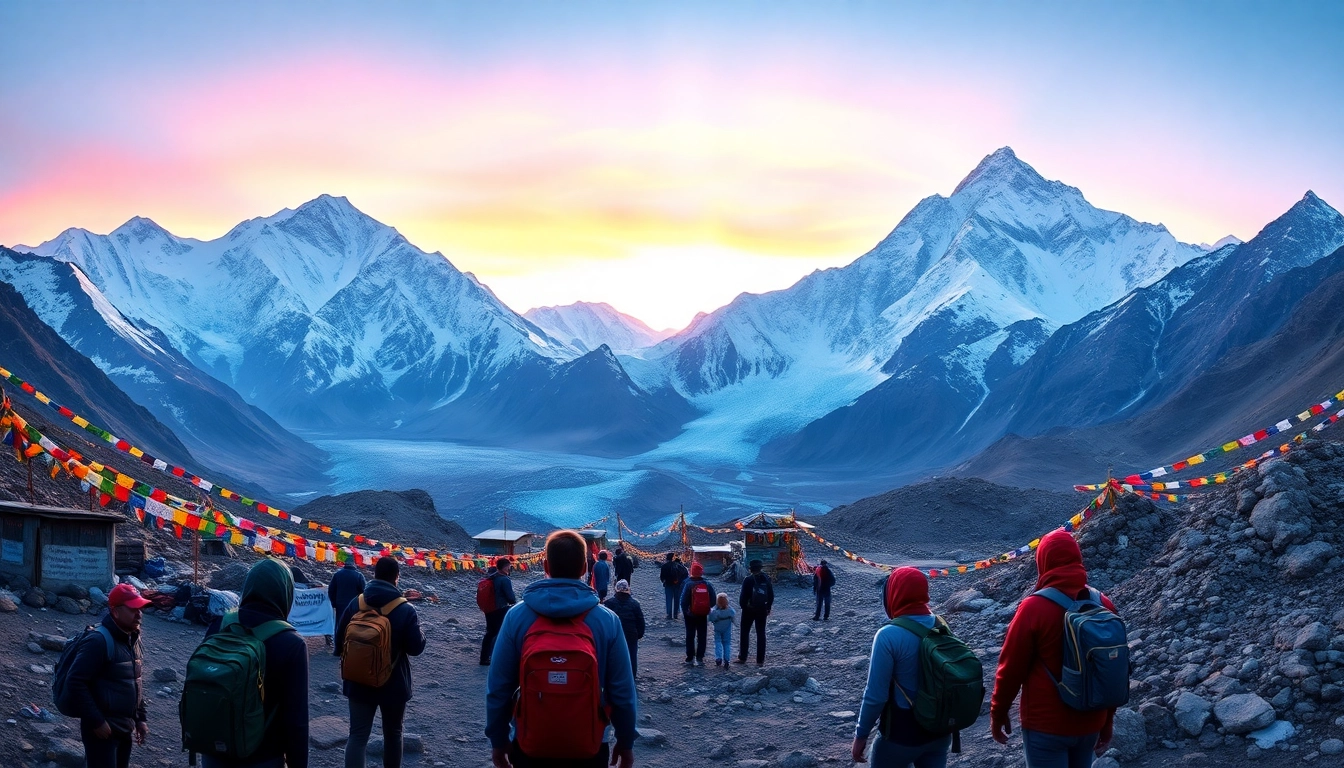
The trek to the Everest Base Camp begins with a thrilling flight to Lukla, followed by a series of gradual ascents through lush forests and quaint villages. Each day presents unique vistas, including the towering peaks of Lhotse, Nuptse, and Ama Dablam. The journey is not merely a test of physical endurance but also an immersion into the rich local culture, as trekkers have the chance to interact with the Sherpa communities along the route.
Key Highlights and Attractions
- Namche Bazaar: This bustling hub is the gateway to the Khumbu region and offers a vibrant atmosphere with shops, cafes, and stunning views.
- Tengboche Monastery: The largest monastery in the region, where visitors can witness the colorful ceremonies and stunning mountain backdrops.
- Kala Patthar: A popular viewpoint for capturing the perfect sunrise over Mount Everest.
- Everest Base Camp: The ultimate goal where you can soak in the aura of this world-famous site.
Why Choose the Everest Base Camp Trek?
The Everest Base Camp Trek is not just a physical challenge; it's a life-changing experience. This trek offers a profound connection with nature, an understanding of local culture, and the thrill of being in the world's highest mountain range. For many, it serves as a rite of passage, a bucket-list journey that tests limits and provides unforgettable memories.
Preparing for Your Everest Base Camp Adventure
Physical Fitness and Training Recommendations
Preparing for the Everest Base Camp trek requires a commitment to physical fitness. It is advisable to begin a training regimen at least two months prior to the trek, focusing on cardiovascular exercises, strength training, and endurance hikes. Walking on uneven terrain with a weighted backpack, running, and cycling are excellent ways to build stamina and prepare your body for the rigors of high-altitude trekking.
Packing Essentials for the Trek
Proper packing is crucial for a successful trek. Essential gear includes sturdy trekking boots, warm clothing layers, a quality sleeping bag rated for cold temperatures, and a daypack for personal items. Additionally, trekking poles, a first-aid kit, and hydration systems are recommended for comfort and safety. Be sure to check the packing list provided by your trekking company to ensure you have all necessary items.
Understanding the Climbing Season and Weather Conditions
The best times to undertake the Everest Base Camp trek are during the spring (March to May) and autumn (September to November). These seasons offer milder temperatures and clear skies, ideal for trekking. However, trekkers should be prepared for rapidly changing weather conditions, with temperature fluctuations and the possibility of rain or snow, especially at higher elevations.
What’s Included in Your Trek Package
Accommodation Options During the Trek
The trek package typically includes accommodation in local teahouses along the route. These guesthouses provide basic amenities and a chance to experience the local culture. Options for private rooms may be available for an additional cost, while some of the more developed areas offer attached bathrooms for convenience.
Meals and Hydration: What to Expect
During the trek, you will enjoy three meals a day, primarily consisting of local dishes such as "dal bhat" (rice and lentils), soups, and noodles. Meals are generally nutritious and designed to provide the energy needed for trekking in high altitudes. It's important to stay hydrated, and trekkers should carry a refillable water bottle to minimize waste.
Permits and Regulations for Everest Base Camp
To trek to Everest Base Camp, you will require several permits, including the Sagarmatha National Park entrance permit and the TIMS (Trekking Information Management System) card. These permits ensure that your trek is legal and that the local government can manage the number of trekkers in the region for conservation purposes.
Traveling to and from Everest Base Camp
Getting to Lukla: Flight and Alternative Routes
Your adventure begins with a flight from Kathmandu to Lukla, often cited as one of the most thrilling flights in the world. The flight is subject to weather conditions, and during peak travel seasons, you may need to take a longer route via Manthali, involving a 5-6 hour drive followed by a shorter flight to Lukla.
Transportation from Lukla to Everest Base Camp
After arriving in Lukla, the trek to Everest Base Camp typically takes around 11 days, depending on your pace and acclimatization needs. You will traverse various terrains, including lush forests and rocky paths, each offering stunning views of the Himalayas.
Suggestions for Post-Trek Activities in Nepal
Upon completing your trek, consider extending your journey in Nepal. Options include exploring the vibrant city of Kathmandu, engaging in cultural tours, or visiting nearby national parks for wildlife viewing. Such experiences can provide deeper insight into the rich traditions and natural beauty of Nepal.
Expert Tips for a Successful Trek
Dealing with Altitude Sickness and Safety
Altitude sickness is a significant concern for trekkers in the Everest region. To minimize risks, ascend gradually, stay hydrated, and be aware of the symptoms. It's advisable to have a plan for acclimatization days, focusing on rest and recovery before tackling higher elevations.
Essential Gear and Clothing for Comfort
Your clothing should be layered to adapt to the changing temperatures throughout the day. Start with moisture-wicking base layers, followed by insulating layers, and finish with a waterproof outer layer. A good pair of trekking boots is vital for support and footing on rugged trails.
Top Mistakes to Avoid While Trekking to Everest Base Camp
- Underestimating the Challenge: Many trekkers overlook the physical demands of the journey; comprehensive training is essential.
- Inadequate Packing: Failing to bring necessary gear can result in discomfort; thorough packing preparation is key.
- Ignoring Acclimatization: Rushing to higher altitudes without proper adjustment can lead to altitude sickness; take acclimatization days seriously.