Introduction to Sports Broadcasting
Definition and Importance of Sports Broadcasting
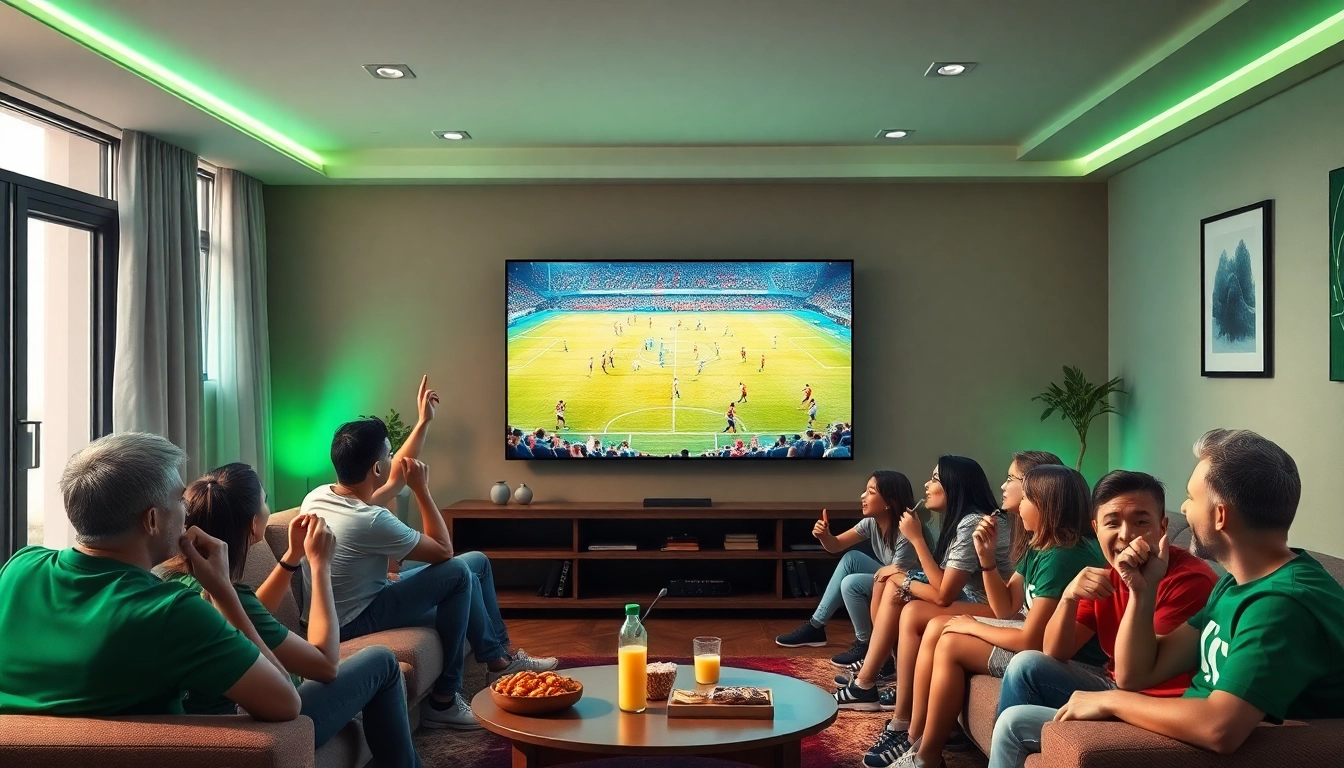
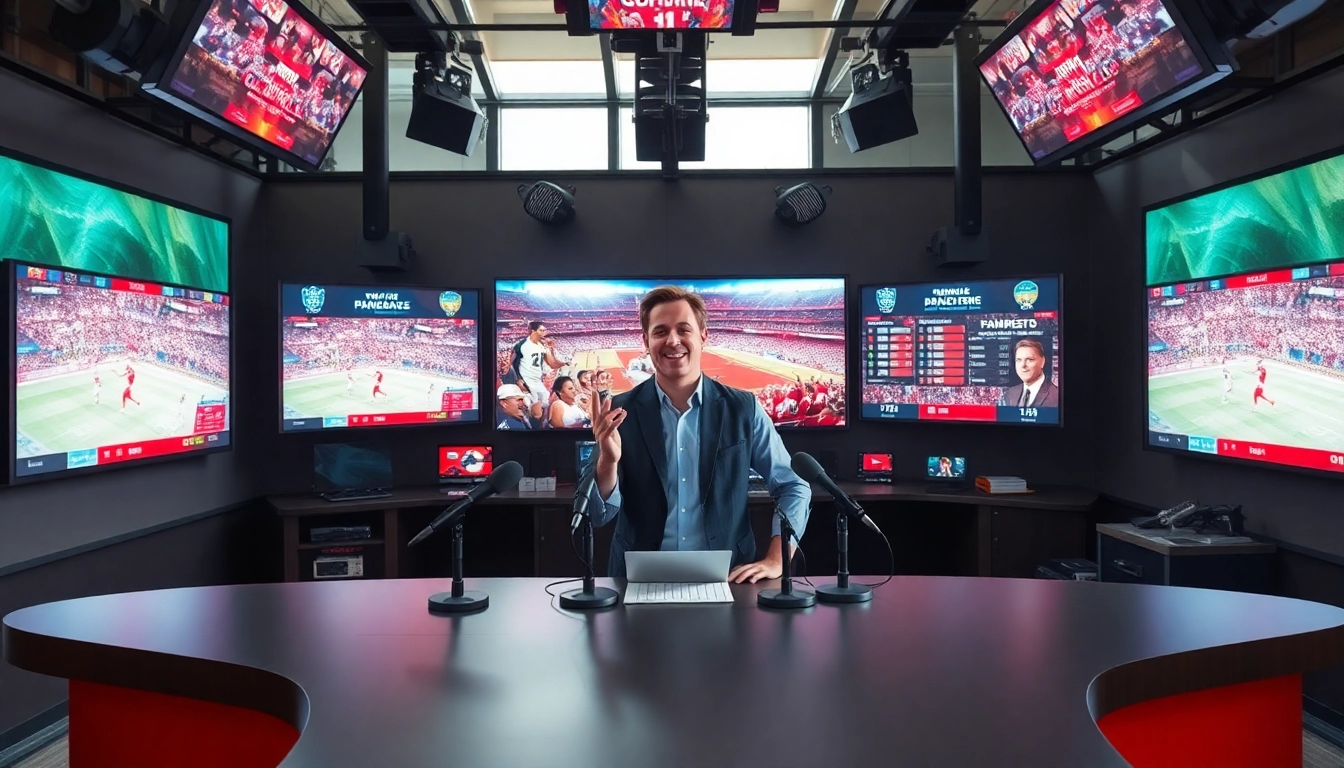
Sports Broadcasting refers to the dissemination of sports-related events through various media platforms such as television, radio, and the internet. It plays a crucial role in connecting fans to their favorite sports and athletes, while also impacting the overall revenue of sports organizations. This multifaceted industry not only focuses on live game coverage but also includes pre-game shows, post-game analyses, and sports talk shows. The influence of Sports Broadcasting extends beyond entertainment, serving as a significant driver of sports culture, marketing, and community engagement.
Key Components of Effective Sports Broadcasting
Effective sports broadcasting requires a blend of several core components, including:
- Commentary: An engaging and knowledgeable commentary enhances the viewer’s experience. Broadcasters must provide insightful analysis and updates, keeping the audience informed and captivated.
- Production Quality: High-definition visuals, clear audio, and professional editing contribute to the overall quality of the broadcast. Quality production values can significantly affect viewer retention.
- Audience Engagement: Engaging fans through social media and interactive platforms is essential. Facilitating discussions, polls, and feedback can enhance the viewing experience.
- Storytelling: Great broadcasts often weave narratives, from athlete rivalries to inspirational underdog stories, creating emotional connections with the audience.
The Evolution of Sports Broadcasting
Since its inception in the early 20th century, sports broadcasting has undergone a remarkable transformation. The first live sports broadcast aired in 1921, featuring a boxing match. The introduction of television brought the sport closer to the audience, with the 1950s marking a significant growth period. The rise of cable networks in the 1980s revolutionized access to diverse sports. Today, digital platforms and streaming services have created a new realm for sports broadcasting, allowing fans to watch live events on their devices from anywhere in the world. This evolution enhances accessibility and personalization, tailoring content to meet specific audience interests.
Essential Skills for Sports Broadcasters
Communication Skills for Sports Broadcasting
Communication is a cornerstone of sports broadcasting. Broadcasters must articulate their thoughts clearly and effectively, ensuring the audience can easily follow the action and context of the game. This includes mastering vocal techniques, pacing, and diction. Excellent interview skills are equally important, as broadcasters often engage with athletes, coaches, and sports analysts during live shows.
Technical Skills for Sports Broadcasting
In today’s tech-savvy environment, sports broadcasters need a foundational understanding of technical skills. This includes knowledge of broadcasting equipment, software for video editing, and streaming technology. Familiarity with graphics and visual storytelling enhances the viewing experience, enabling broadcasters to present data and statistics engagingly.
Analytical Skills in Sports Broadcasting
Analytical skills are vital for effective sports broadcasting. Broadcasters must assess teams’ performances, understand game strategies, and anticipate potential outcomes. This analytical rigor translates into compelling commentary that informs and entertains, thereby enriching the audience’s understanding of the sport. Additionally, statistical analysis plays a growing role in elucidating player performance and trends.
Technological Advances in Sports Broadcasting
Impact of Streaming Technology on Sports Broadcasting
The advent of streaming technologies has dramatically reshaped the landscape of sports broadcasting. Viewers can now access live streams on various devices, providing them greater flexibility and freedom of choice. This shift has also encouraged sports organizations to adopt a direct-to-consumer model, bypassing traditional cable and satellite networks. The economics of sports broadcasting have also changed, leading to innovative business models around subscriptions and ad placements.
Use of Social Media in Sports Broadcasting
Social media platforms have become pivotal in sports broadcasting, offering a means to interact with fans in real time. Broadcasters use platforms like Twitter, Instagram, and Facebook to engage audiences, share highlight reels, and promote upcoming events. This interaction fosters a sense of community among fans and can drive viewership for live broadcasts. Furthermore, social media offers valuable feedback mechanisms, allowing broadcasters to adapt their content dynamically.
Emerging Trends in Sports Broadcasting Technology
Several emerging trends are shaping the future of sports broadcasting technology. Virtual reality (VR) and augmented reality (AR) are at the forefront, enhancing the viewer experience by providing immersive game coverage. Additionally, advancements in artificial intelligence are streamlining production processes and enabling more personalized content delivery. These technologies promise to create more engaging and interactive viewing experiences, aligning with evolving audience preferences.
Best Practices for Engaging Sports Broadcasting
Creating Compelling Commentary in Sports Broadcasting
Compelling commentary is essential for capturing and retaining the audience’s attention. Broadcasters should strive to be both informative and entertaining, building excitement around key moments but also providing nuanced analyses of gameplay. To do this effectively, broadcasters should prepare by researching teams, players, and potential storylines ahead of time. Utilizing a diverse range of vocabulary and expressive intonation can help keep commentary dynamic and engaging.
Audience Interaction Techniques in Sports Broadcasting
Engaging with audiences during broadcasts can elevate the viewing experience. Techniques may include live polls, taking viewer questions, or conducting post-game discussions based on social commentary. Incorporating fan-generated content, such as tweets and videos, can heighten audience investment and make them feel recognized, thereby boosting loyalty to the broadcast.
Leveraging Visuals for Enhanced Sports Broadcasting
Visual elements play a crucial role in sports broadcasting. Effective use of graphics, replays, and infographics can clarify complex game situations and enhance storytelling. Broadcasters should work closely with production teams to ensure that content aligns cohesively with visual elements. Continuous innovation in visual presentation not only captivates viewers but also promotes greater understanding of the game’s dynamics.
Measuring Success in Sports Broadcasting
Key Performance Indicators for Sports Broadcasting
Success in sports broadcasting can be measured through several key performance indicators (KPIs), including viewer ratings, audience engagement metrics, and social media interactions. Monitoring these KPIs enables broadcasters to understand audience preferences and adjust content accordingly. Additionally, analyzing time spent viewing and demographical data provides insights for targeted marketing and programming strategies.
Feedback Mechanisms in Sports Broadcasting
Implementing feedback mechanisms is essential for continuous improvement in sports broadcasting. Surveys, social media comments, and focus groups can provide valuable insights into audience preferences, helping broadcasters enhance their performances. Regularly soliciting and acting on feedback fosters a culture of adaptability and responsiveness, enhancing audience satisfaction over time.
Case Studies of Successful Sports Broadcasting
Analyzing successful sports broadcasts offers valuable lessons for aspiring broadcasters. Notable case studies can illustrate how innovative techniques, audience engagement strategies, and technological adoption have led to impactful broadcasts. By dissecting successful elements and understanding their outcomes, broadcasters can refine their strategies and implement best practices within their own organizations.
Frequently Asked Questions
What is Sports Broadcasting?
Sports Broadcasting is the distribution of live or recorded sports events through various media channels, offering fans access to games and analyses.
What skills are essential for sports broadcasters?
Key skills include effective communication, technical knowledge of broadcasting equipment, analytical ability, and audience engagement techniques.
How has technology changed sports broadcasting?
Technology, particularly streaming services and social media, has enhanced audience access and engagement, allowing viewers to watch sports on multiple devices.
What are the best practices for commentary?
Effective commentary should be informative, engaging, and prepared, with a focus on dynamic delivery to captivate the audience throughout the broadcast.
How can broadcasters measure success?
Success can be measured through viewer ratings, audience engagement metrics, and social media interactions to adjust programming and enhance future broadcasts.