Understanding Central Heating Leak Detection
As a critical aspect of maintaining a warm and efficient home, central heating systems require regular monitoring and, at times, professional leak detection to ensure they operate optimally. A leak in your central heating system can lead to increased energy costs, structural damage, and distressing cold spots in your home. Thus, understanding the complexities behind central heating leak detection is essential for homeowners aiming to safeguard their investment. When exploring options, central heating leak detection services can offer you comprehensive insights to identify and remedy leaks promptly.
What Causes Central Heating Leaks?
Central heating leaks can arise from a variety of sources due to factors such as age, wear and tear, and environmental influences. Here are some common causes:
- Corrosion: Over time, metal pipes can corrode, leading to pinhole leaks. This is especially prevalent in older systems.
- High Pressure: Excess pressure within the system can stress joints and fittings, causing them to fail.
- Temperature Fluctuations: Rapid changes in temperature can lead to expansion and contraction of pipe materials, resulting in cracks.
- Poor Installation: Incorrectly installed components can lead to leaks from day one, especially at joints and valves.
Signs Your System Might Be Leaking
Identifying a leak in your central heating system early can save you significant trouble down the line. Be alert for the following signs:
- Water Accumulation: Look for unexplained water puddles near the boiler or along pipes.
- Dropping Pressure: Loss of pressure often indicates a leak; regularly check your pressure gauge.
- Increased Energy Bills: If bills spike unexpectedly, a hidden leak may be causing the heating system to work overtime.
- Cold Spots: Areas of your home that are not heating properly can indicate a leak or other system malfunction.
The Importance of Early Detection
Detecting leaks early is crucial to mitigating damage and repair costs. A small leak can quickly escalate into a significant problem if ignored, leading to the following issues:
- Structural Damage: Water can compromise floors, walls, and foundations, leading to expensive renovations.
- Mold Growth: Prolonged exposure to moisture fosters mold and mildew, which can lead to health issues.
- System Efficiency: Undetected leaks can reduce overall system efficiency, causing your heating system to work harder and increase energy consumption.
Advanced Detection Techniques
Modern leak detection has evolved significantly, employing various advanced techniques to locate leaks accurately without unnecessary damage to your property. Here’s an overview of the most common methods:
Thermal Imaging: How It Works
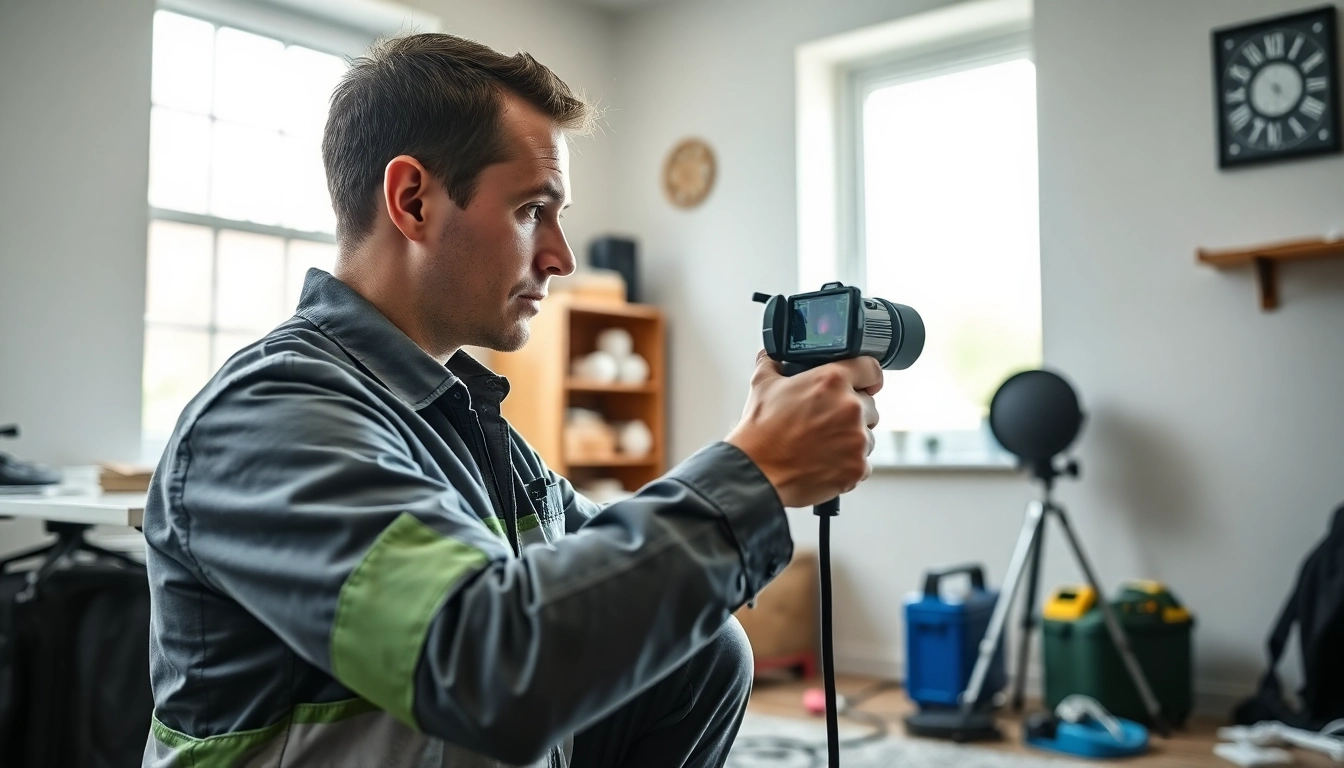
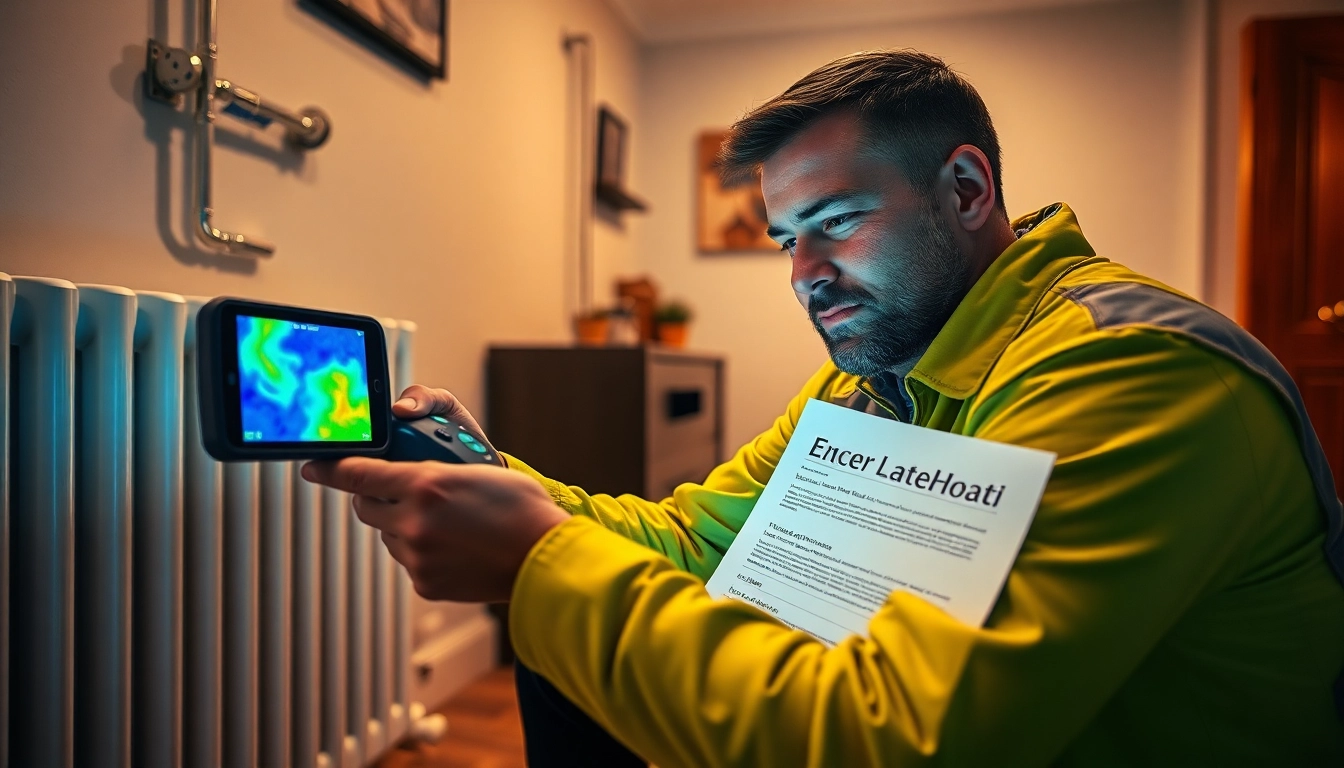
Thermal imaging cameras detect temperature variations caused by leaks, providing a visual representation of problem areas. This non-invasive method allows technicians to pinpoint leaks hidden behind walls or under floors quickly and accurately, minimizing the need for disruptive exploratory work.
Acoustic Listening Devices Explained
These devices amplify the sound of water escaping from pipes. By placing sensors along potential leak areas, technicians can detect the distinct sounds associated with leaks, even if they are underground or otherwise obscured.
Tracer Gas Detection for Precision
This technique involves introducing a harmless gas into the heating system. The gas escapes at the leak point and is detected using specialized sensors, making it an effective way to locate leaks, especially in hard-to-access areas.
DIY Methods vs. Professional Services
While some homeowners may be tempted to attempt leak detection themselves, understanding when to call in a professional is crucial for effective resolution. Here’s a breakdown:
When to Call a Leak Detection Specialist
If you notice signs of a leak, it’s best to consult with professionals who have the right tools and expertise. For example, if your home is experiencing unexplained damp spots, persistent cold areas, or fluctuating pressure dynamics, a specialized technician can deploy advanced technology for precise leak detection.
Common DIY Techniques for Initial Assessment
For those keen to investigate before seeking professional help, here are some initial steps you can take:
- Visual Inspection: Inspect visible pipes and connections for signs of water damage or corrosion.
- Pressure Gauge Check: Monitor your system’s pressure gauge to identify unusual drops.
- Use of Water Indicators: Placing absorbent materials at suspected leak points can help highlight moisture presence.
Cost Considerations: Is It Worth It?
Hiring a professional for leak detection may seem costly initially, but it’s an investment in the long-term integrity of your home. In contrast, DIY methods may save money upfront, but they can result in more expensive damages if leaks go undetected. Always weigh the potential costs of ongoing water damage against the benefits of professional services.
Preventing Central Heating Leaks
Prevention is always better than cure. By implementing regular maintenance practices, you can significantly reduce the likelihood of leaks in your central heating system:
Regular Maintenance Practices
Schedule annual inspections with a qualified technician to check your system for vulnerabilities. Regular flushing and bleeding of radiators can also help maintain optimal performance, ensuring everything operates smoothly.
Best Practices for Homeowners
As a homeowner, being proactive about your heating system will help extend its life. Consider the following:
- Insulate Pipes: Insulate exposed pipes to prevent freezing and related damage during colder months.
- Upgrade Old Systems: If your heating system is older than 15 years, it might be worth considering an upgrade to a more efficient model.
- Monitor Usage: Keep an eye on your heating patterns and be alert to any irregular usages or signs of inefficiency.
Identifying Vulnerable Areas in Your System
Regularly inspect joints, valves, and areas where pipes are connected to appliances. These are common leak points that can benefit from extra attention or maintenance.
Future Trends in Leak Detection Technology
The leak detection landscape is evolving rapidly with new technologies expected to enhance detection efficiency and accuracy in the coming years. Here are some anticipated trends:
Innovations Expected in 2025
As technology continues to advance, we anticipate innovations such as AI-driven diagnostic tools that can predict and identify leaks before they lead to damage. New materials for pipes may also be developed to resist corrosion and pressure issues better.
Smart Home Integration with Leak Detection
With the rise of smart home technology, future leak detection systems may integrate seamlessly with home automation systems. This could enable instant notifications directly to homeowners’ smartphones when leaks are detected.
Expert Predictions for the Industry
Industry experts predict an increased focus on sustainable leak detection solutions that minimize environmental impact, perhaps through enhanced training for technicians and innovative, eco-friendly methods of detection and repair.